
By John Weeg
I might enjoy using my tiller a bit too much. I took the extra fenders off so I could see it impose order on a chaotic garden. In minutes, the debris from last year is chopped and pushed below the ground.
But when you think about it, that is not how nature works. Nature wants to slowly decay that debris and pull it into the soil. Nature’s timeframe is seasons, whereas ours is minutes.
This year I am going no-till and will advocate for that in my other gardens too. At least I won’t have to clean the tiller at the end of the season.
What do we gain by no-till gardening and leaving the plant debris on the surface?
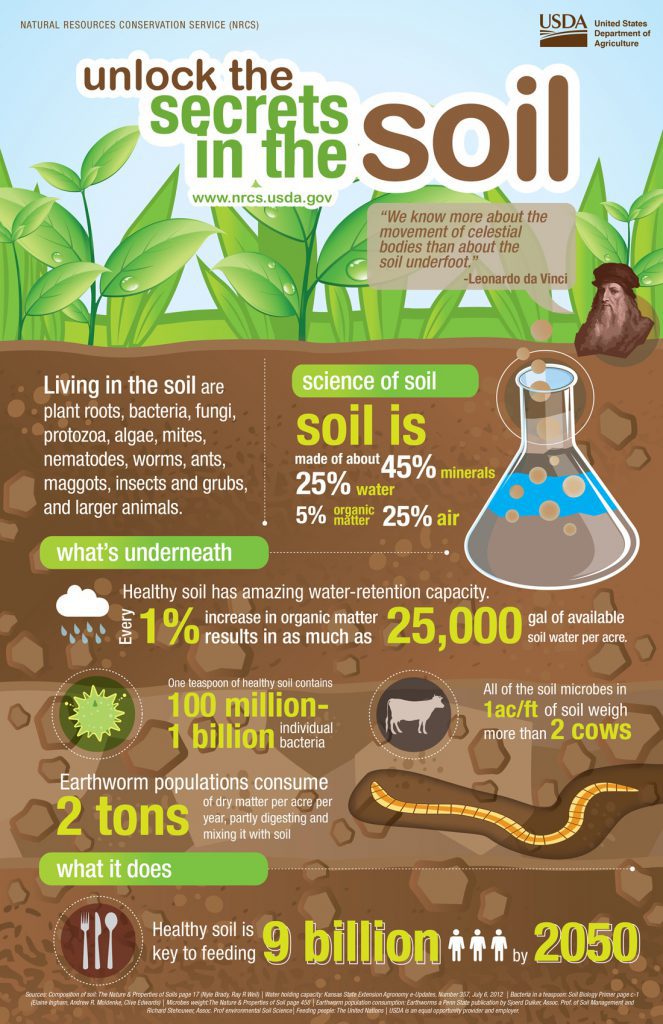
- Structure: Healthy soil is 25% air and 25% water – which means 50% of the soil should be pores. A small part of these pores is formed by the structure of the minerals (sand, silt, clay), but the majority are formed when the minerals mix and bind with natural living organisms. These aggregates, called peds, are formed by worms, fungi, organic matter, roots, and the like working to glue the particles together. When we till, we are breaking these peds back into their component pieces.
→ Why does aiding and continuing ped formation matter? The structure allows for water infiltration (less runoff), higher water storage, soil respiration, and better tilth for root growth.
- Organic matter: Tilling brings buried carbon to the surface, where it can escape into the atmosphere as carbon dioxide. The decomposition of organic matter in the soil is sped up. As we mix the surface organic matter into the soil, it will break down faster.
→ Why does this matter? Tilling removes nutrients the next plants will need, and we want to increase carbon sequestration.
- Fungal structures: Fungi and bacteria are the two main decomposer groups. Fungi can break down things that bacteria have a hard time with, like lignin in wood.
→ Why does this matter? Decomposing organic matter releases nutrients. Many of the fungal structures develop a symbiotic relationship with the plant. The hyphae (the hair-like stands you see in a pile of wood chips) draw water and nutrients to the plant and receive plant exudates (carbohydrates) in return. These provide a much larger area from which the root can draw nutrients. These strands also help with structure.
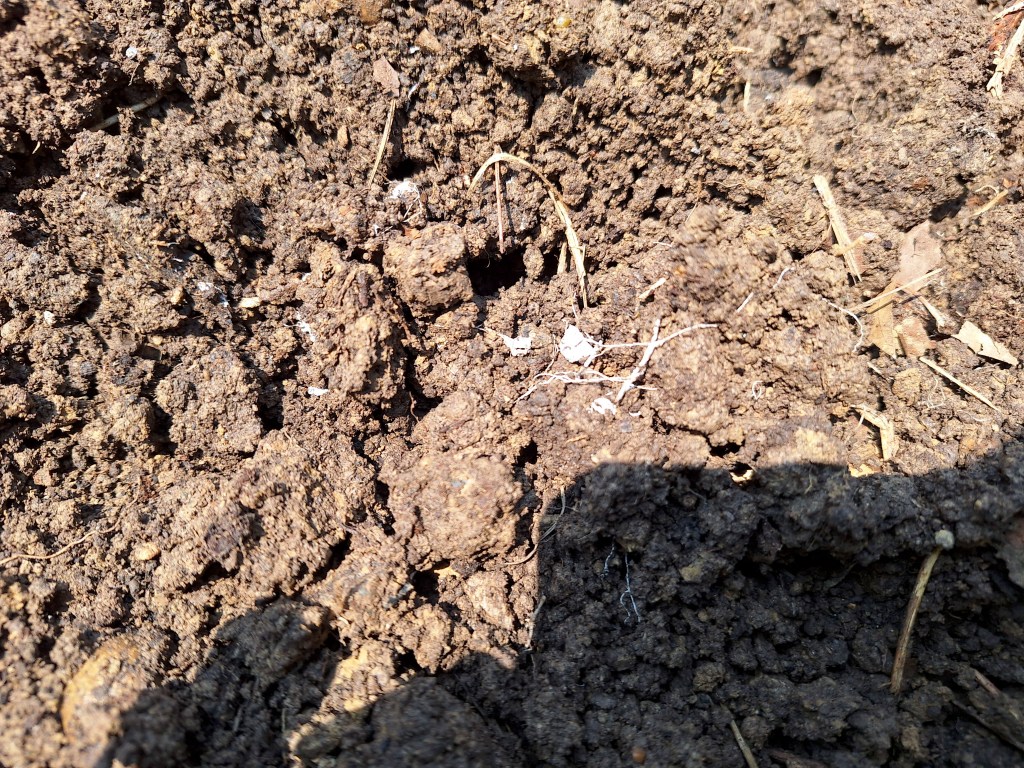
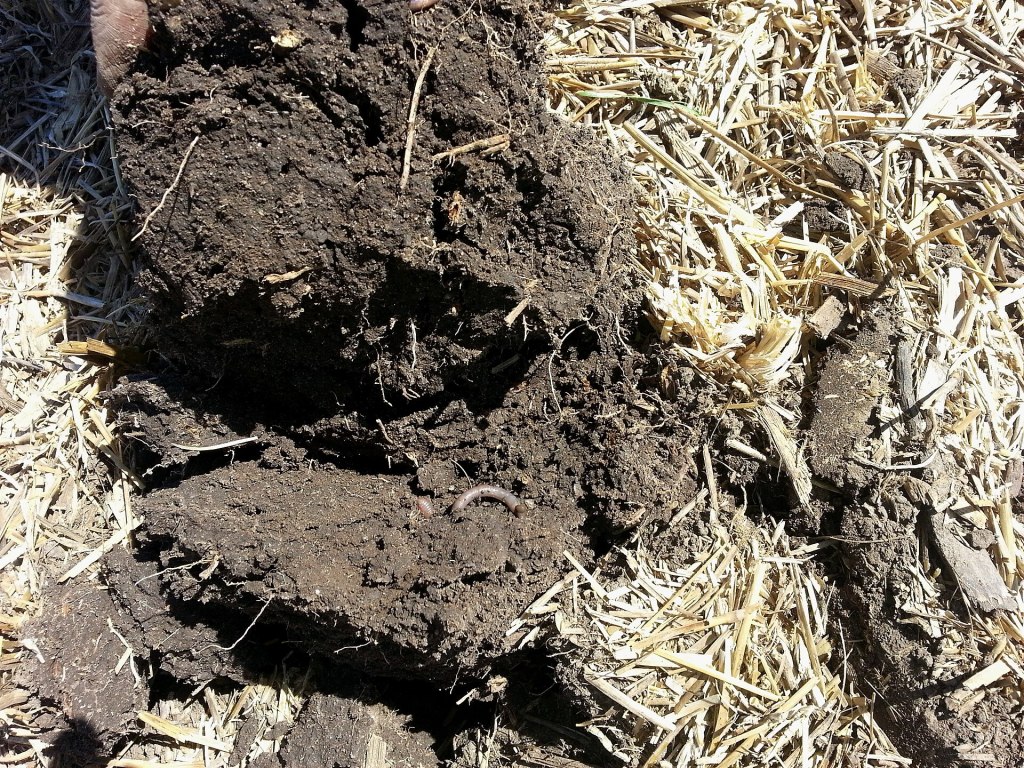
(Left) Mycorrhizal fungus (here, the white strands) are among the living organisms that aid in the formation of peds to create and maintain healthy soil. Healthy soil structure in this long-term no-till field shows the granular texture and dark color that indicate good organic matter. (Photo/John Weeg)
This fall, as I tuck beds in for the winter, I plan to:
1. Chop and drop – Leave the roots of plants in the ground and chop off the plants where I can (yes, pull out that dang purslane). Chop up or mow the remains on the ground.
2. Compost – Layer a nice inch or two over the chopped plants.
3. Cover – If you are on a hill or want to keep the compost from washing away, cover it with cardboard or a plastic sheet or anything to keep it all from washing away. Yes, weigh it down to beat the winter winds.
The goal is to let nature do the work of amending the soil, which happens when we just give it the time. In the spring, we can simply remove the cover and plant as-is.
Enjoy the indoor part of the growing season!

