
By Kay Mohling
While mowing the lawn in mid-September, I was surprised to see blooms on my lilac bush. There weren’t as many flowers as in the spring, but this decades-old lilac still had several white blooms, and they were just as fragrant as in the spring.
According to ISU Extension, stressful growing conditions during the summer can be the reason for untimely blooms. And it’s not just lilacs, occasionally other spring-blooming shrubs and trees, like crabapple, magnolia, and forsythia, can also produce flowers during the fall months. The extreme summer heat is likely the cause of our September lilac blooms; other causes can be drought, disease, pest issues, or heavy pruning. Extra care during stressful conditions such as watering during hot, dry periods; managing pest issues; and avoiding drastic pruning can help prevent the out-of-season bloom.
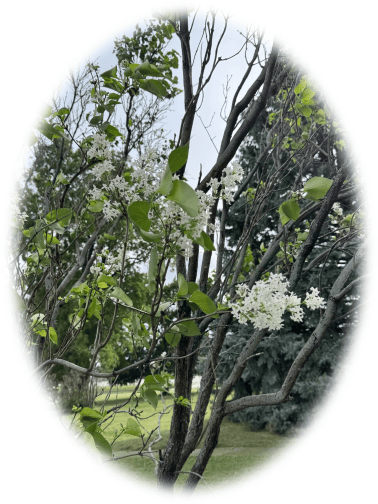
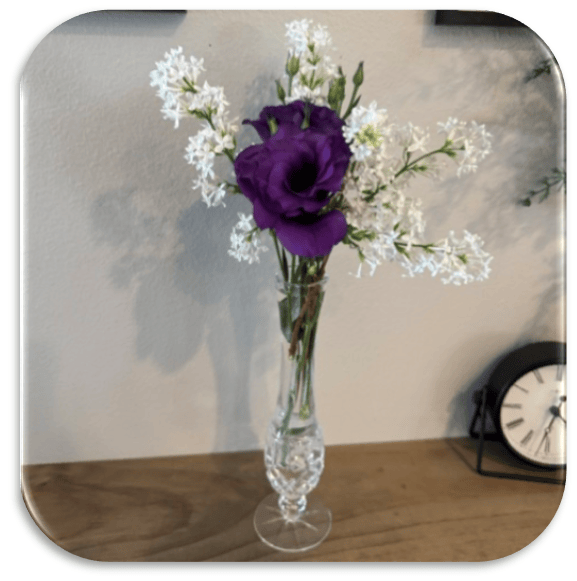
(Left) Weather extremes may result in fall-blooming lilacs, as these deciduous shrubs can enter dormancy under unusually high temps, drought and overwatering. (Right) While both lisianthus and lilacs make beautiful cut flowers, they don’t usually bloom at the same time. (Photos/Kay Mohling)
Stressful conditions can put the plant in a dormant-like state, and when the cooler temperatures and shorter days of fall arrive, some of the flower buds are prompted to open.
Fortunately, the fall bloom will not harm the plant, but since spring-blooming plants set their buds for the following year in early summer, there will probably be fewer flowers next spring. Once the blooms appear, there’s no remedy or anything to do, so just enjoy them.

