By Sarah Skerik Reschly
We’ve all seen the headlines: around the globe, populations of insect pollinators — bees, butterflies, moths and even some wasps and flies — are collapsing. These creatures play a crucial role in pollinating our crops and keeping the ecosystem in healthy balance, but they face many challenges, including pesticides and habitat destruction.
Gardeners everywhere can help by planting and cultivating plants that support pollinators throughout their life cycles. Our gardens, especially the fruits and vegetables we grow, will thrive with increased pollinator presence.
In September, the Johnson County Master Gardeners hosted a presentation at the Solon Recreation and Nature Area on garden planning for pollinators, presented by Wisconsin Master Naturalist Jess Alexander, who recently relocated
to Solon. A new JCMG core project, the SRNA is a gateway between Solon and the area’s wider trail system, and features multiple gardens — including a new pollinator garden — welcoming thousands of weekly visitors to the trails.
What to Consider When Planning for Pollinators
The key takeaway from Jess: increase your garden’s diversity of plants to better support bees, moths and butterflies. Factors that impact insects (and plant selection!) include: bloom time; host plants to support the pollinator lifecycle; flower shape to support a wider range of species; and permission to be untidy.
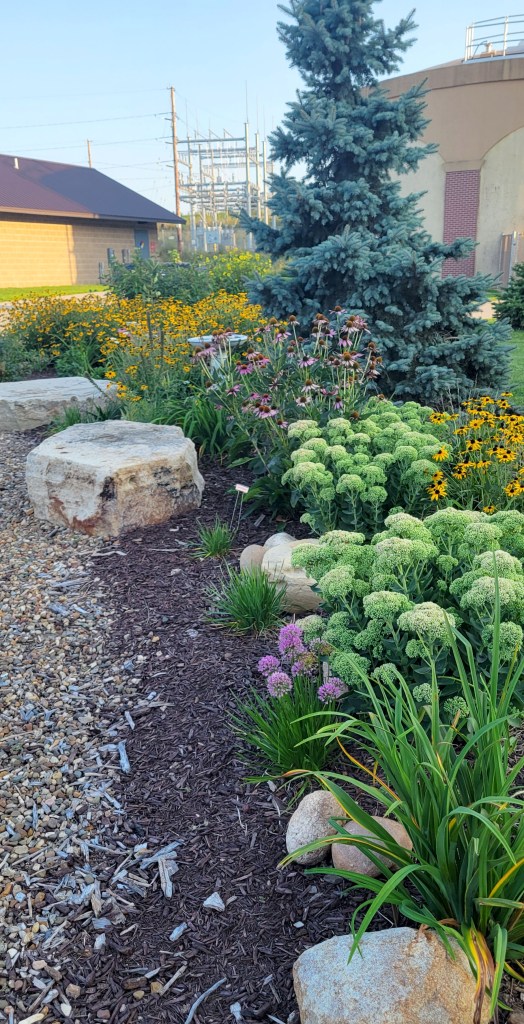
Bloom Time
Pollinators are active in our area as early as March and remain active until the first frost. Flowers that bloom in early spring (violets, columbine, golden Alexander) and into fall (asters, goldenrods, Joe Pye weed) provide crucial support for these beneficial insects.
Host Plants
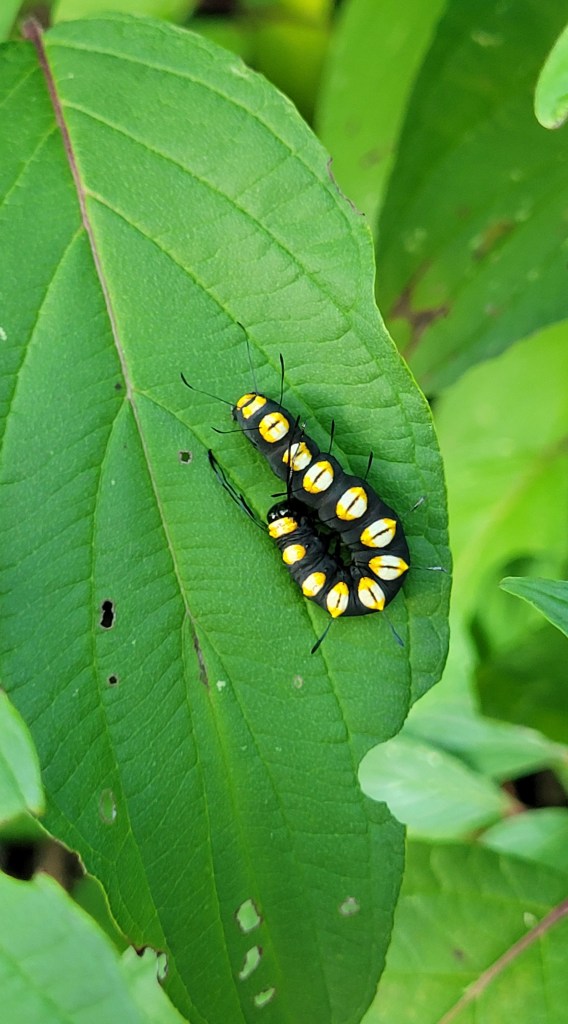
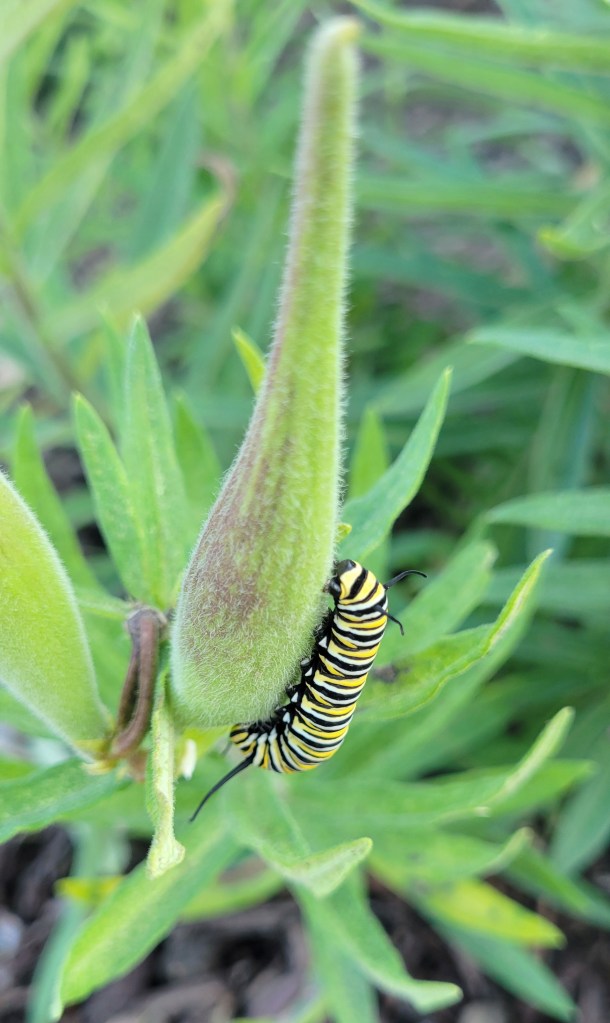
Larval host plants are those species insects use to lay eggs and are a food source for developing young. Well-known examples include milkweed (Monarch butterflies) and parsley (Black Swallowtail butterflies). Keystone plant species that host many beneficial insects include native oak trees and chokecherry shrubs (each host to several hundred species) as well as tall goldenrod, heath aster and prairie sunflower (hosts to dozens of species).
Flower Shape
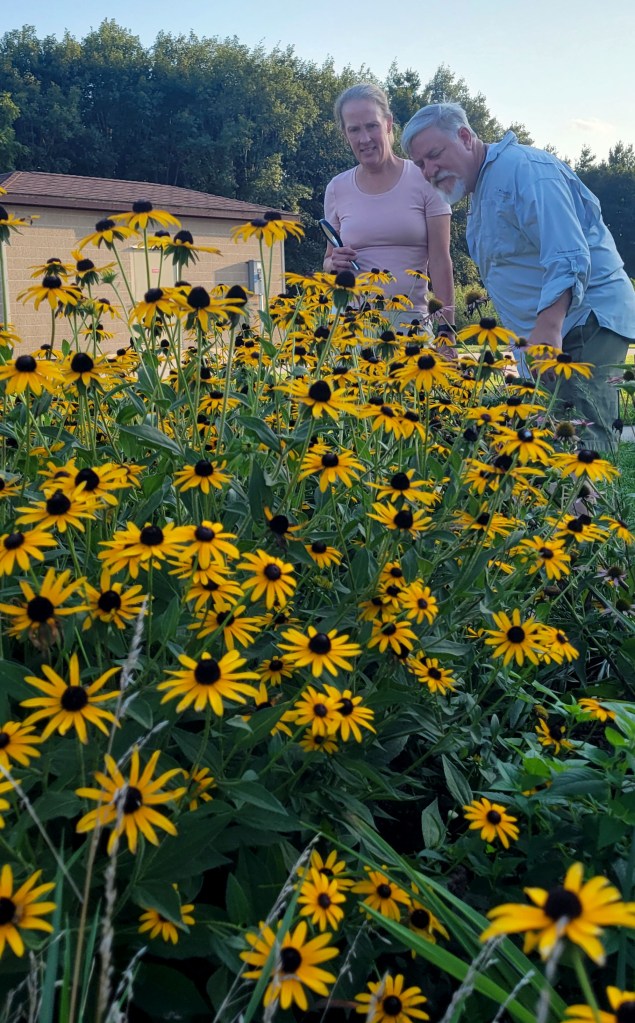
Flowers and the pollinators each species attracts have evolved together. Some pollinators have long tongues or probosces, suited for extracting nectar from tubular the flowers of columbine or bee balm. Those with shorter tongues flock to the florets of coneflowers and asters. Planting flowers of different shapes will naturally bring different pollinators to your garden.
Go Wild
Resisting the urge to tidy your flower beds in the fall ensures the many species overwintering under leaves and in the hollow stalks of spent plants survive to see another spring. Hold off on garden cleanup until daytime temperatures are consistently above 50 degrees.
“Gardening for Butterflies and Pollinators” is a fantastic resource from ISU Extension that delves deeper into turning your garden into a thriving habitat for pollinators.