
BY LINDA SCHREIBER
Perennial garden cleanings
With pleasant temperatures arriving early in Iowa, it’s hard not to think about gardening. If the soil is wet, we should always avoid working in the garden to avoid compaction, and we should always be careful not to damage emerging foliage from spring bulbs and early perennials when we work in the garden.
If you left plant debris and leaves in your perennial garden all winter—good for you. To paraphrase Martha Stewart, plant debris is a good thing.
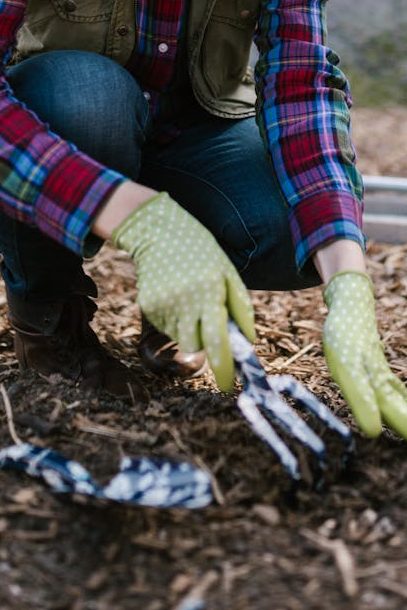
The best time to begin garden cleanup is when temperatures consistently reach 50 degrees. Many beneficial and native insects overwinter in plant debris, while others spend winter months in the soil. Iowa State University says research on the subject isn’t conclusive, but if you can wait to clean the garden, do it.
As the plants begin their spring awakening, start the task by removing dead foliage and leaves that have accumulated to prevent smothering growing plants. This plant debris can be reused in compost or just pulled aside as informal mulch in spaces between plants.
Without foliage in the way, plants can be easily seen and perennials can be divided and transplanted.
Spring is also a good time to refresh garden borders, removing invading turf grasses and weeds before perennials begin growing. It’s also the time to add support structures for tall perennials to grow through.
Most Iowa perennial garden soils don’t need much fertilizer. A soil test will tell you where and how much may be needed. ISU no longer offers tests for home lawns and gardens. University laboratories in states neighboring Iowa are recommended for these home garden and lawn settings soil tests.
- University of Minnesota Soil Testing Laboratory
- University of Wisconsin Soil & Forage Analysis Lab
- Michigan State University Soil and Plant Nutrient Laboratory
Starting seeds indoors
March and April are good times to start seeds indoors to transplant outside once the last frost date for the area has passed. Many seeds can be used longer than the current year. JoeGardener.com has an online seed longevity chart to help you determine how long you can keep seeds. There are a few steps to achieve seed-starting success.
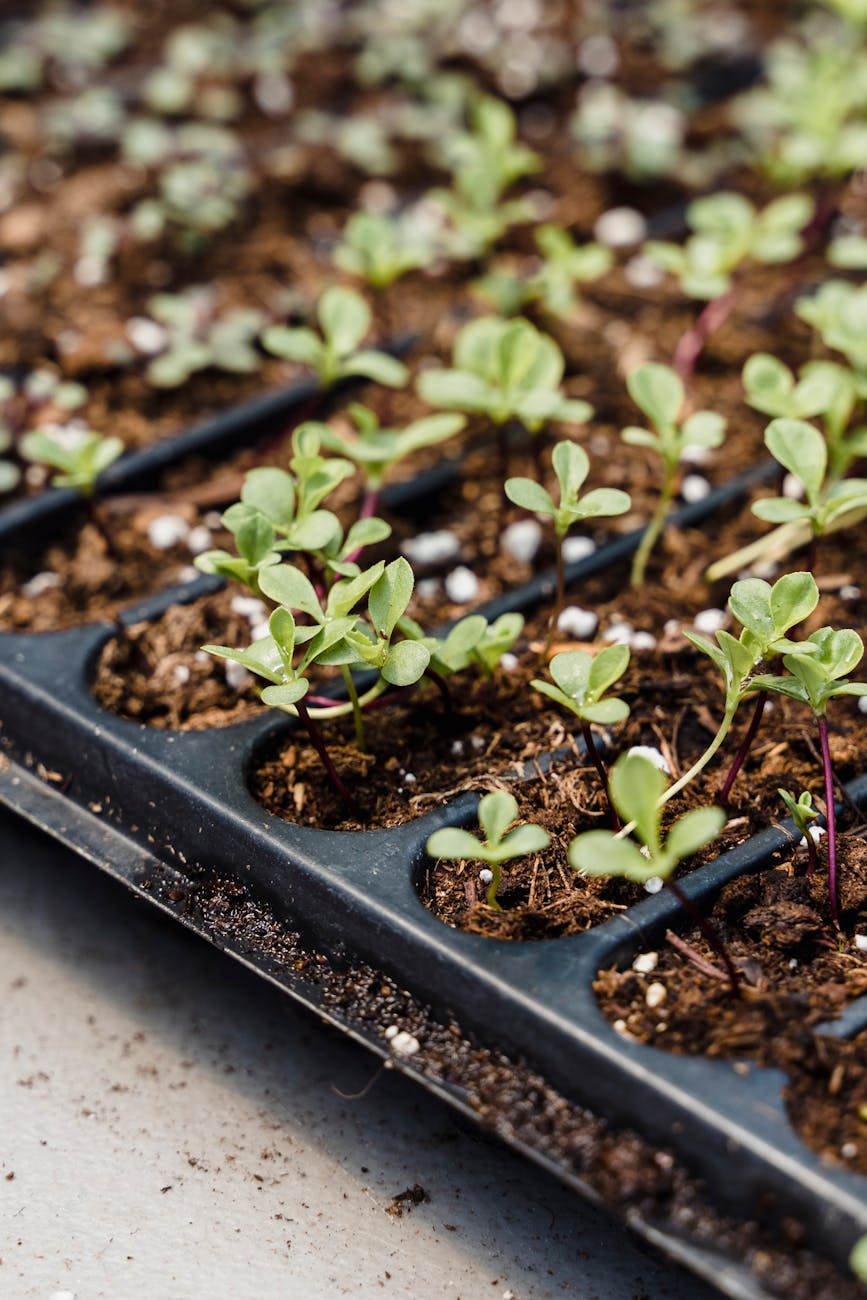
(Photo by Greta Hoffman on Pexels.com)
- Assemble materials. Start with clean containers (using recycled containers is fine), seeds, and whatever potting medium or mix is appropriate for germination.
- Read the seed packet to determine when to start the seeds indoors; do not start seeds too
early. - Use clean containers and germination mix. Do not use garden soil.
- Provide warm, humid conditions for germination. Some seeds won’t germinate unless the soil mix is 60 – 70 degrees. Placing the tray on top of the refrigerator or using a heat mat may help.
- Provide ample light. If needed, add supplemental light from a fluorescent or LED fixture, after seeds germinate.
- Do not over-water.
- Fertilize after true leaves emerge.
- Harden off seedlings before putting them outside.

