
BY LINDA SCHREIBER
In July, there’s no escaping the Midwest heat. Now, meteorologists are predicting a continuing drought. That’s why it is important to keep ahead of watering requirements to avoid losing plants in your gardens. Water early in the morning and deeply to allow moisture to absorb slowly. Water the soil around the base of plants to direct moisture to the roots where it’s most needed, not at the foliage. Auto-watering collars or automated drip irrigation systems can help take the work out of watering.
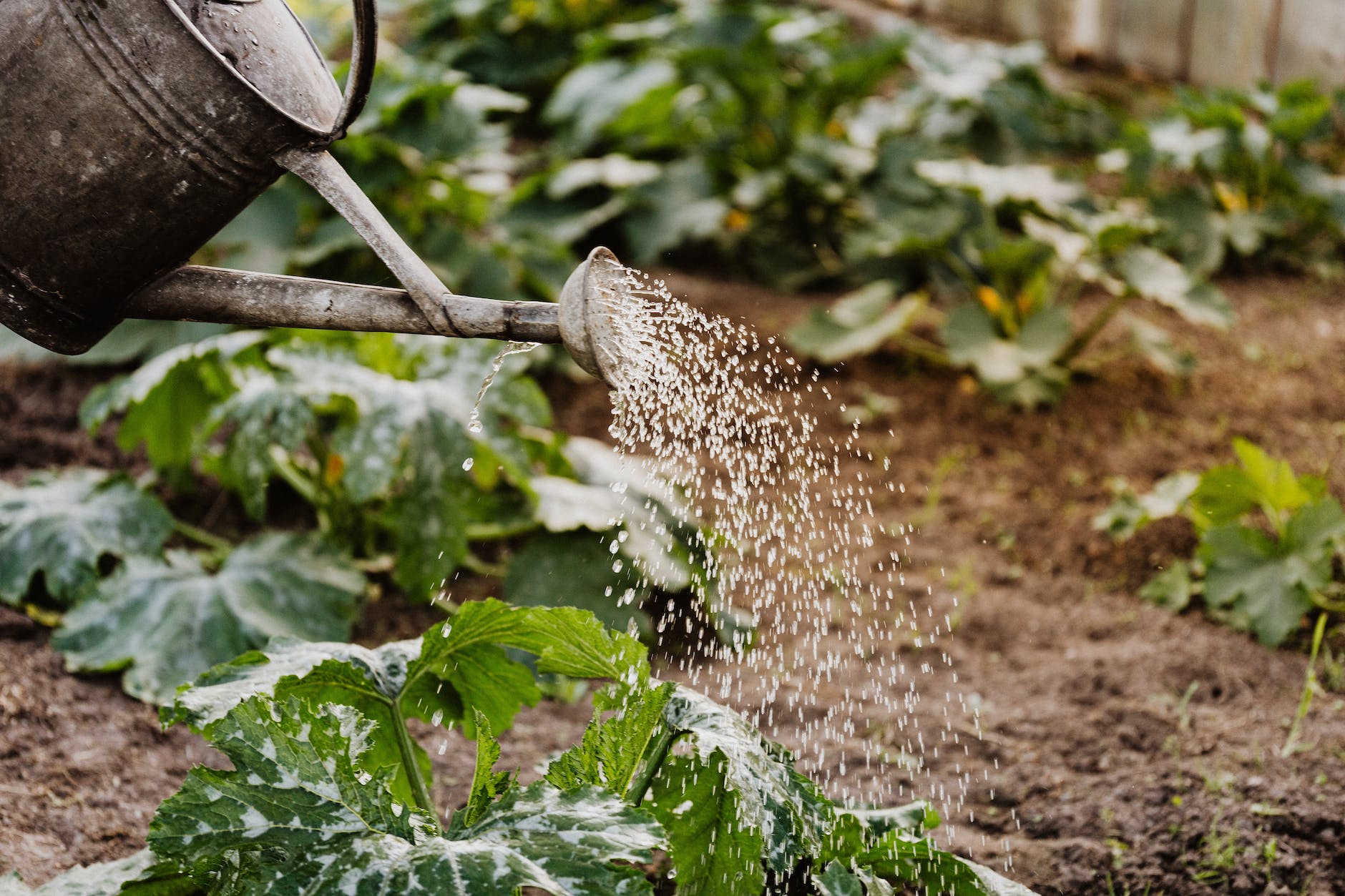
The next best time to water is at dusk. To reduce evaporation, mulch around the plants to retain moisture. Try to avoid watering at midday if possible. Watch for blossom-end rot on tomatoes and peppers that occurs when soil moisture is uneven. Maintaining a 2-3 inch layer of mulch will reduce watering needs.
Deadheading spring flowering bulbs helps the plants avoid wasting energy to produce seeds. When the leaves turn yellow, remove the leaves and lightly fertilize. Deadhead spent blooms on perennial plants.
Cut back growth in hanging baskets to revive the display and encourage new flowers. Tidy and deadhead annual bedding plants to stop them from self-seeding. Also, remove suckers from indeterminate tomato plants and support them with stakes or cages.
Weeds love the July heat. Continue to weed to prevent them from overtaking the garden.
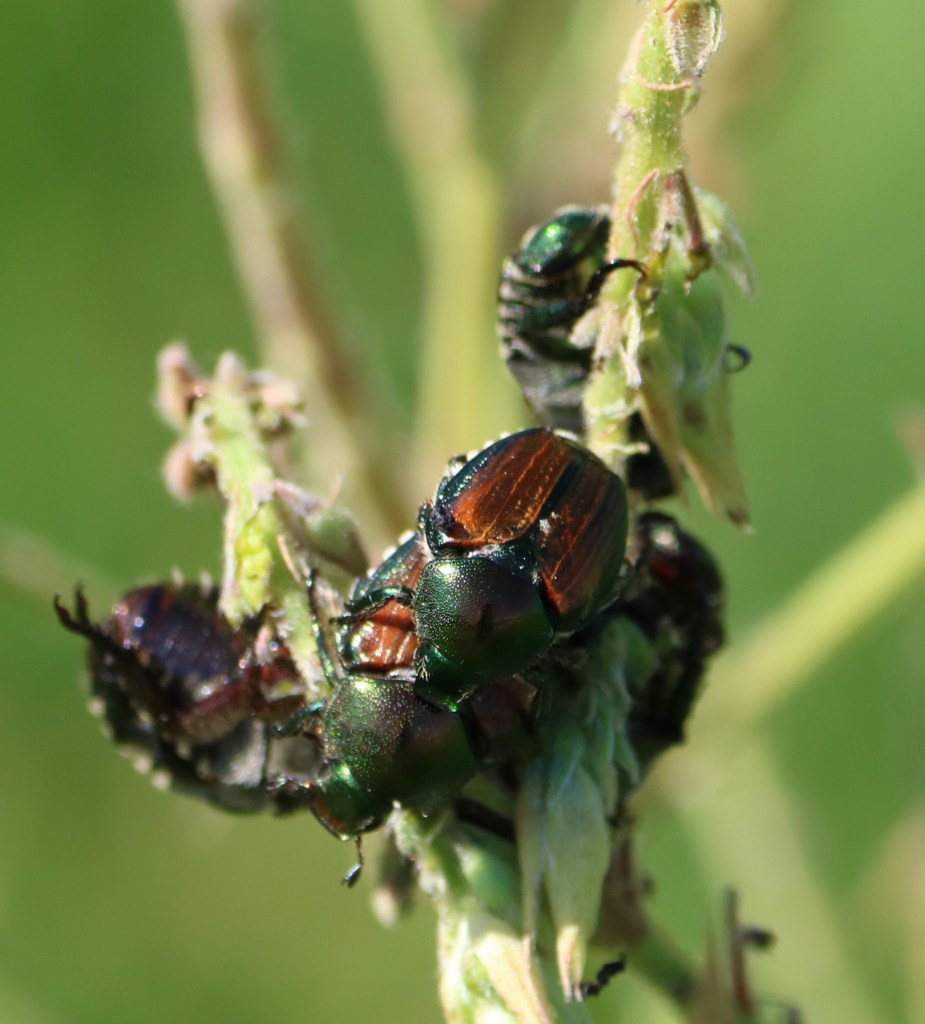
Watch for insect infestations and monitor your plants for fungal diseases: septoria leaf spot, powdery mildew and rust. Japanese beetles cause damage during the first part of the month but will eventually taper off.
Regularly harvest ripe vegetables to improve yields. Pick the berries before the birds do. Covering plants with bird netting may protect blueberries from birds. Cantaloupes are ready to pick when the stem “slips” easily from the fruit with gentle pressure. Keep cucumbers watered to prevent a bitter flavor. Harvest onions and garlic as leaves turn brown.
July is the time to divide and replant bearded iris to give the plants time to form roots and flower buds for next year. It’s also a good time to take cuttings from shrubs and border perennials and overwinter indoors.
Prune out and destroy old fruiting canes after the raspberry harvest is complete.
Routinely clean birdfeeders and waterers.
Fertilize container plants every two weeks with a water-soluble fertilizer.
Newly planted trees and shrubs must be watered thoroughly, once a week throughout the fall.
Do not let newly seeded lawns or new sod dry out in hot weather. If hot, dry weather persists, set mower blades at the highest level to reduce stress on the grass. Keep mower blades sharpened to prevent leaf blade damage and reduce stress on the lawn.
Plant zinnia seeds by July 4 for a late-season border. Late July is a good time to sow carrots, beets, turnips, peas, lettuce, kale, summer squash and radishes as crops are harvested for a second crop in the fall. Also set out broccoli, cabbage and cauliflower transplants for a fall garden.
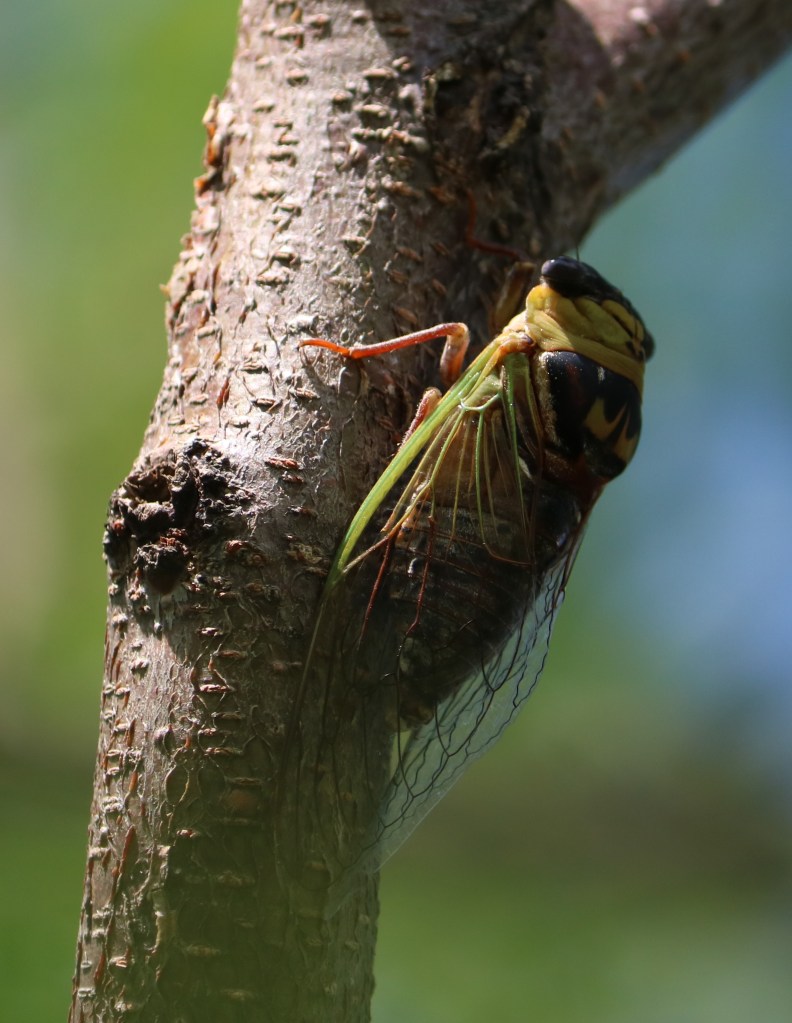
July is the time when cicadas start to sing!
Sources:

