
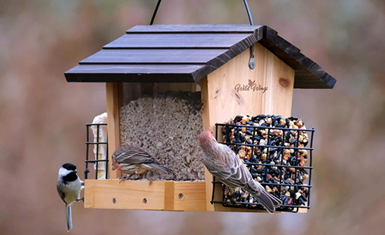
Photo Credit/Wild Wings
By Linda Schreiber
Winter brings out the birdseed, suet cakes, and sometimes an urge to toss a few kitchen scraps outside “just in case” the birds are hungry.
While well-intentioned, human leftovers aren’t the best food for birds. Birds that remain through winter need high-energy, high-fat foods to maintain body heat and survive freezing temperatures. They aren’t picky and will happily eat almost anything you put out – even foods that can harm them.
Sunflower hearts, quality seed mixes, and suet balls are safe choices. Many household foods, however, are not. Even foods that seem harmless – like bread, fat or fruit – can cause digestive problems or crowd out the nutrient-dense foods birds truly need.
Before you clean out the fridge, avoid offering the following foods to winter birds:
Foods to Skip
Bread
Bread fills birds up quickly – and that’s the problem. It provides little to no nutrition, so birds that gorge on bread may skip the calorie-dense foods they need to survive cold nights. Stick with proper bird food and save the sourdough for French toast.
Cooking Fat
Leftover grease may seem like a treat, but it’s messy and unhelpful. Only offer firm, rendered fats like suet. Never put out liquid drippings or melted fat.
Bacon and Other Processed Foods
Processed foods contain far more salt than a bird’s tiny body can handle. Even small amounts can lead to dehydration, heart problems or death. Skip the bacon and choose unsalted suet and natural seeds instead.
Shredded Coconut
Fresh coconut in small amounts is OK, but dried or baking coconut can swell in a bird’s stomach and cause digestive issues. Best to avoid it entirely.
Chocolate
All chocolate – milk chocolate, dark chocolate, even cocoa powder – is toxic to birds. Chocolate contains theobromine, the same compound that’s dangerous to dogs. No chocolate, ever.
Dairy Products
Birds can’t digest lactose. Milk, cheese, yogurt and other dairy products can cause digestive distress and should be kept off the menu.
Spoiled Fruit
If you wouldn’t eat it, birds shouldn’t either. Overripe fruit is fine, but moldy or fermenting fruit can contain toxins and bacteria that cause serious illness or death.
Feed Them Well
Birds rely on humans during the toughest months of the year. Feeding them is a gift – but only when we offer safe, nourishing foods. Stick with high-quality seed, nuts, suet, and fresh fruit, and your backyard birds will reward you with lively activity and song all winter long.
Our Birds Recommend This Audubon Society Suet Recipe
Ingredients
1½ cups shortening (look for palm oil-free options – lard is OK)
¾ cup nut butter (any kind)
3½ cups wild bird seed
1 cup quick oats
½ cup cornmeal
Ice cube tray
Steps
1. Mix bird seed, oats, and cornmeal in a bowl; set aside.
2. In a separate bowl, melt shortening and nut butter together, stirring until combined.
3. Pour the melted mixture into the dry ingredients and mix well.
4. Spoon into an ice cube tray.
5. Freeze for 1-2 hours, then place in a suet feeder.
Note: Suet should be used only during very cold weather, so it doesn’t become rancid.
 Johnson County Master Gardeners of Iowa