
BY MARY STARRY
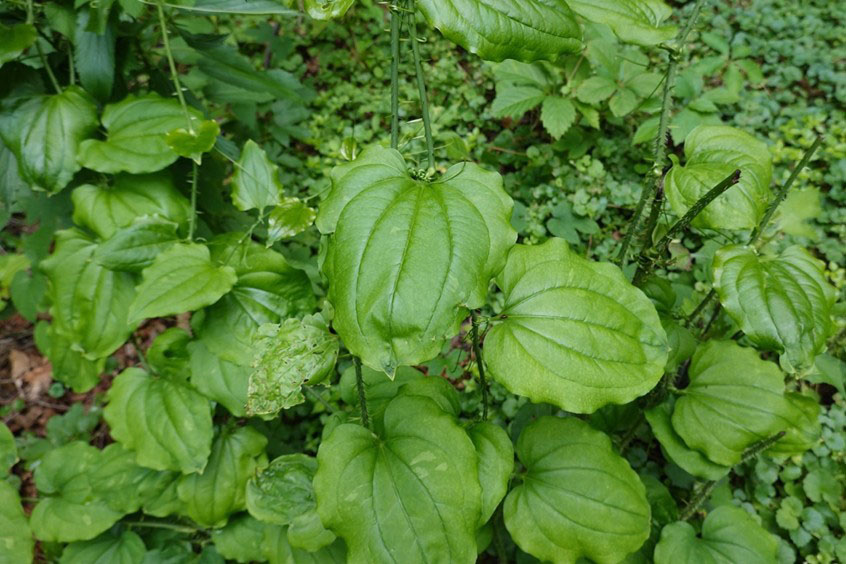
1. This thorny vine is an Iowa native often found along fence rows or the edges of woods. Although not invasive, it is aggressive and can create thorny briar patches that are difficult to eradicate. It has small green to black berries, which birds eat and then spread the seeds.
- Multiflora rosa
- Greenbriar
- Buckthorn
- Oriental bittersweet
2. To prevent the disease of oak wilt, the DNR recommends oak trees in Johnson County should not be pruned any later than what date?
- January 15
- February 15
- March 15
- April 15
3. According to the most recent USDA plant hardiness map, most of Johnson County is now in which growing zone?
- Zone 6a
- Zone 5a
- Zone 5b
- Zone 4a
4. Which of the following milkweed plants are considered Iowa natives, so recommended to grow in Iowa to promote monarch butterfly reproduction? (More than one answer may be correct.)
- Whorled milkweed (Asclepias verticillata)
- Antelope horns milkweed (A. asperula)
- Swamp milkweed (A. incarnata)
- Mead’s milkweed (A. meadii)
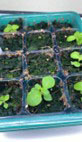
5. What is wrong with my seedlings?
- Too much light
- Too much moisture
- Damping off syndrome
- Containers not properly cleaned
Hortline Quiz Answers
1. B – Greenbriar (Smilax) belongs to a group of Iowa native vine. Also called cat brier, it can have stems that grow over 20 feet long. Species can be very aggressive and difficult to eradicate once it starts in an area due to the development of underground rhizome tuber systems. Small vines can be physically removed; however, once a large area is covered, systemic herbicides, such as glyphosate, may be needed for eradication.
2. C – March 15 is the date beyond which pruning of oak trees in Iowa is not recommended, due to concerns for oak wilt disease. However, due to the unusually warm temperatures in Iowa this year, the DNR posted a recommendation to stop all pruning of oak trees by March 5, 2025.
3. C – According to the 2023 USDA Plant Hardiness Zone Map, the majority of Johnson County is now considered to be Zone 5b, with some areas north of the Iowa River rezoned as 5a.
4. A, C and D – Some monarch experts recommend growing only native milkweed species to help support the monarch population. There are 18 native species of milkweed in Iowa, although some are found only in small areas of the state, so Johnson County horticulturists have plenty of species to choose from. Mead’s Milkweed is both a state and federally endangered plant in Iowa.
5. B – Growth of algae/fungi on seedling soil is typically due to too much moisture, although light and air can also be contributing factors.
Resources
“Controlling Greenbriar” – University of Georgia Extension
“Mead’s Milkweed” – U.S. Fish & Wildlife Service
“Milkweeds of Iowa & Minnesota” – Xerxes.org
“Antelope Horn Milkweed” – Utah Department of Agriculture
“Why Are Moss and Algae Growing in My Seed Trays?” – TheSeedCollection.com
 Johnson County Master Gardeners of Iowa