
BY LINDA SCHREIBER
Weeds, Water, Flowers, Veggies
There’s always something to do in the garden and being outside is a big bonus! Spending time in the garden to weed and mulch will pay dividends throughout the summer and fall.
Although the Midwest has a chance of rain every week in June, we have to plan that we won’t which means it’s time to get the hose and sprinklers out to keep plants happy. Most plants need 1-2 inches of water a week through rainfall or irrigation. Remember infrequent deep watering is much better than frequent shallow watering. Drip irrigation in the garden will help conserve water.

Raised beds and containers dry out much faster than plants in the ground. And remember to water recently-planted trees and shrubs. They need to be watered until they become established in the landscape. Shrubs typically establish in 1-2 years and small trees in 2-3 years, larger trees can take much longer.
Let’s start with mulching flower and vegetable gardens to conserve water during the high heat days.
Shrubs and trees tasks
- Prune shrubs that bloom on old wood after they are done flowering
- Prune spring flowering shrubs (those that bloom before June) after they have bloomed to encourage new flower buds next season.
- Thin the fruit of apple, peach, plum and apricot to approximately 1 fruit every 5-6 inches.
- Take softwood cuttings of shrubs to start new plants in mid-to-late June. Shrubs that can be propagated this way are spirea, lilac and viburnum.
Flower tasks
- Divide and transplant spring-flowering perennials that have finished blooming (use a shade cloth to reduce transplant shock)
- Deadhead perennials
- Sow perennials seeds directly into the ground
- Pinch the newest shoots on geranium plants to encourage fuller plants
- Feed roses as the first flower buds appear and apply fungicide to prevent powdery mildew or blackspot
Garden tasks
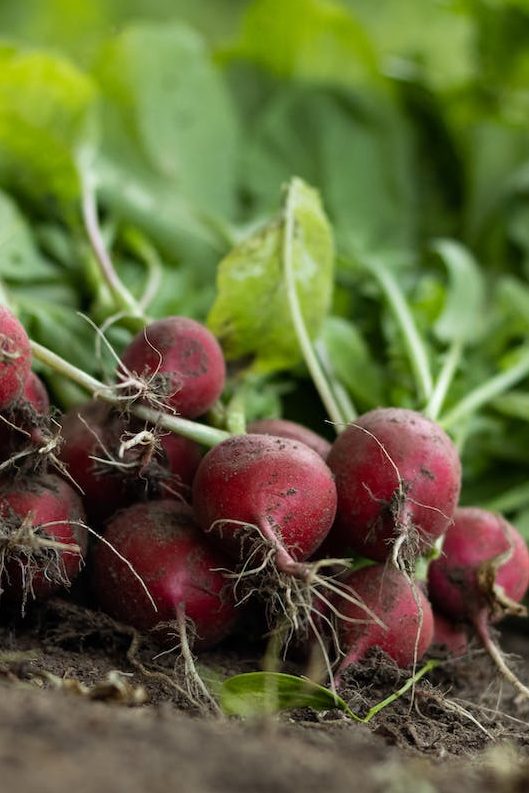
By June Zone 5 gardeners usually have the majority of their gardening planting done, however, it’s not too late to plant cucumbers, sweet potatoes, peppers, squash, pumpkins, watermelon, okra, tomatoes, and eggplant. Adding mulch to cool-season crops will keep the roots cool and help avoid bolting. Replace cool-season crops with quick-growing crops for the summer planting season: beets, scallions, carrots, radishes, Swiss chard.
- Place row covers or netting on bushes with ripening berries to keep birds away
- Stop harvesting rhubarb and asparagus spears in June to allow the plants to build energy reserve for the next year
- Prune tomatoes to open the canopy of the plant. Remove suckers from tomato plants
- Plant sweet corn every other week until early July to extend the harvest
- Plant celery in early June (self-blanching varieties are best for home gardeners)
- Plant sweet potato slips in early June if you didn’t plant them last month
- Set out Brussels sprouts transplants for a fall harvest
- Plant okra transplants once soil temperatures are greater than 70°F.
- Plant tomato transplants early this month (check for the days to maturity and choose varieties that will produce tomatoes before your first frost).
- Plant nasturtiums for a colorful show in sunny locations with poor soil—they start blooming in about 50 days—too much water and fertilizer produce excess leaves and few flowers.
- Stay out of the garden when the vegetable plant leaves are wet. Walking through a wet garden spreads disease from one plant to another.
After the vegetable garden is established, water thoroughly once a week rather than giving it a light watering every day. Weekly watering helps establish a deep root system to develop that helps plants tolerate dry weather in the summer. Prevent blossom-end rot on tomatoes, peppers, squash and watermelons by maintaining uniform soil moisture by mulching and watering correctly, planting in well-drained soil and not cultivating deeper than one inch within one foot of the plant.
Hot weather causes cool-season crops like lettuce to bolt and become bitter. As soon as spring veggies are harvested, plant warm-season crops— beans, summer squash and cucumbers.
June is a great time to succession plant fast-growing crops such as radishes, beets, or carrots. Plant pumpkins now to have jack-o-lanterns for Halloween. There’s still time to plant potatoes and have a late summer harvest. Amend your soil with organic matter, but don’t fertilize with nitrogen past the first month.
Lawn tasks
- Apply a second application of pre-emergent herbicides in late May or early June to control annual weeds in the lawn – crabgrass, spurge
- Seed bare areas of turf with grass seed mixture; keep the area watered the first year, and limit excessive foot traffic
- Reminder – turfgrass only needs 1-1 ½ inches of irrigation per week
- Train the lawn to grow deep roots by mowing often at a high setting – 4 inches
Sources/Additional Resources
- https://extension.illinois.edu/blogs/good-growing/2021-06-16-garden-tasks-help-get-your-landscape-through-summer
- https://extension.umn.edu/planting-and-growing-guides/watering-newly-planted-trees-and-shrubs
- https://extension.usu.edu/yardandgarden/monthly-tips
- https://www.gardenersworld.com/what-to-do-now-june/
- https://gilmour.com/best-time-water-grass
- https://kellogggarden.com/blog/gardening/june-garden-checklist-zones-4-5/
- https://simplysmartgardening.com/celery-square-foot-garden/
- https://simplysmartgardening.com/what-to-plant-in-june/
- https://simplysmartgardening.com/sweet-potatoes-square-foot-garden/
- https://sowtrueseed.com/blogs/monthly-garden-schedule-by-zone/zone-5-monthly-garden-calendar-chores-and-planting-guide
- https://www.backyardgardener.com/garden-tip-articles/articles/june-gardening-to-do-list/
- https://extension.usu.edu/yardandgarden/research/asparagus-in-the-garden
- https://www.thespruce.com/what-to-do-in-the-garden-in-june-1402731
- https://www.thespruce.com/yearly-gardening-to-do-list-4799962
 Johnson County Master Gardeners of Iowa